
"annual output reaches"
400 article(s) found

Description of Grinding scale Flavor of Yunnan Coffee beans introduction to the characteristics of varieties produced by taste treatment
Coffee cultivation in China is concentrated in Yunnan and Hainan provinces. Yunnan has a large output, with an annual output of about 26000 tons in recent years, accounting for 90 per cent of the national output. It is said that Yunnan coffee came from the French 70 or 80 years ago. The main variety is Arabica Arabica, that is, the so-called small seed coffee, commonly known as Yunnan small grain coffee. The excellent geographical and climatic conditions of Yunnan provide good conditions for the growth of coffee.

Ethiopian coffee flavor manor area with nut flavor
In Ethiopia, the grading and quality control system of coffee is divided into three levels: producer, regional and national. All coffee is inspected by local inspection agencies before leaving the country of origin, and then re-tested at the coffee inspection and grading centers in Addis and Diredawa to determine its quality grade. Coffee is graded before auction and sale, for all involved in production, acquisition,

Annual report of Honduran Coffee 2017
Highlight of the report: Honduras is the largest coffee producer in Central America and the third largest coffee producer in Latin America, ranking sixth in global coffee exports. Coffee production in Honduras from October 2017 to September 2018 is expected to reach 6.5 million bags, up 4 per cent from last year. For the 2016 / 2017 sales year, at the beginning of 2017, Loeb
Yunnan Xincheng Farm
Wang Guoshi, legal representative of the farm, with registered capital of 7.78 million yuan and total assets of 14.92 million yuan, mainly produces and sells processed coffee, pepper, mango, longan, banana and other tropical cash crops and fruits. The farm has a total population of 2036, with a total land area of 13125.58 mu, including 4500 mu of coffee, 153mu of pepper and the rest of tropical fruit. Annual output of 320 tons of coffee and 18 tons of pepper

The relationship between Kenyan coffee and Arabica coffee beans
In Ethiopia, the grading and quality control system of coffee is divided into three levels: producer, regional and national. All coffee is inspected by local inspection agencies before leaving the country of origin, and then re-tested at the coffee inspection and grading centers in Addis and Diredawa to determine its quality grade. Coffee is graded before auction and sale, for all involved in production, acquisition,

Introduction to the quality and taste of Yunnan Tieka coffee bean flavor description treatment method
Yunnan Tieka coffee bean flavor description treatment method Baoshan: Baoshan coffee cultivation began in the mid-1950s, the first coffee seedling was introduced by the late patriotic overseas Chinese Mr. Liang Jinshan in Southeast Asia. The local famous Lujiangba small grain coffee is of excellent quality. It was rated as first class in London, England as early as the late 1950s. In recent years, with the expansion of international trade, Lujiang

Introduction to the Flavor characteristics of Ethiopian Yega Xuefei Coffee
In Ethiopia, the grading and quality control system of coffee is divided into three levels: producer, regional and national. All coffee is inspected by local inspection agencies before leaving the country of origin, and then re-tested at the coffee inspection and grading centers in Addis and Diredawa to determine its quality grade. Coffee is graded before auction and sale, for all involved in production, acquisition,

An introduction to the characteristics of Ethiopian Coffee Flavor Manor
In Ethiopia, the grading and quality control system of coffee is divided into three levels: producer, regional and national. All coffee is inspected by local inspection agencies before leaving the country of origin, and then re-tested at the coffee inspection and grading centers in Addis and Diredawa to determine its quality grade. Coffee is graded before auction and sale, for all involved in production, acquisition,

Introduction to the grading of Ethiopian Coffee
Sun-cured coffee accounts for 65% of exports. Mainly picked by families, red coffee beans are placed on cement floors or on high tables to dry to about 11.5% humidity, then peeled and cleaned. Coffee grading and quality control system in Ethiopia, coffee grading and quality control system is divided into three levels: producer, regional and national. All coffee is required before leaving the country of origin.

Flavor description of Yunnan Pu'er Katim AAA Coffee Bean
Yunnan Pu'er Katim AAA Coffee Bean Flavor description Variety introduction Coffee cultivation in China is concentrated in Yunnan and Hainan provinces. Yunnan has a large output, with an annual output of about 26000 tons in recent years, accounting for 90 per cent of the national output. It is said that Yunnan coffee came from the French 70 or 80 years ago. The main variety is Arabica Arabica, the so-called small seed coffee, commonly known as Yunnan.

Introduction of Ethiopian Coffee Bean varieties in Ethiopian Coffee Flavor Manor
In Ethiopia, the grading and quality control system of coffee is divided into three levels: producer, regional and national. All coffee is inspected by local inspection agencies before leaving the country of origin, and then re-tested at the coffee inspection and grading centers in Addis and Diredawa to determine its quality grade. Coffee is graded before auction and sale, for all involved in production, acquisition,

The upgrading of Yunnan small Coffee Brand products promotes the Development of Walnut Industry
Professional coffee knowledge exchange more coffee bean information Please follow Coffee Workshop (Wechat official account cafe_style) recently, Yunnan coffee company Hougu Coffee announced in Kunming that the three-in-one coffee without plant powder is officially on the market, while the replacement of plant powder is freeze-dried walnut protein powder, which is named Walnut 007. Xiong Xiangren, chairman of Hougu Coffee, introduced its use, Xinhua reported.

The long aftertaste of Ethiopian coffee introduces the characteristics of Ethiopian coffee.
In Ethiopia, the grading and quality control system of coffee is divided into three levels: producer, regional and national. All coffee is inspected by local inspection agencies before leaving the country of origin, and then re-tested at the coffee inspection and grading centers in Addis and Diredawa to determine its quality grade. Coffee is graded before auction and sale, for all involved in production, acquisition,

Yunnan coffee production reached 139,000 tons at the end of the coffee harvest season
Although the output of 139,000 tons increased compared with the previous picking season, it was still about 20,000 tons smaller than expected due to factors such as low temperature and cold wave disaster and depressed market price. Li Gongqin, secretary-general of the provincial coffee industry association, said that at the beginning of this year, precipitation and cooling weather appeared in a large range in the province. Although the warning was timely, it still brought great losses to coffee, tea and other industries. Just coffee.
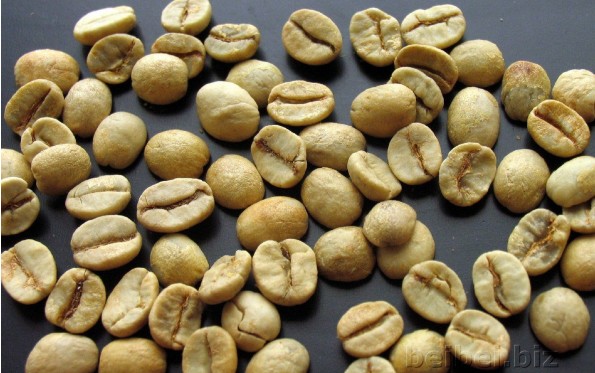
Introduction of world boutique coffee beans: Brazil Santos coffee raw bean Brazil Santos Coffee
Introduction: although the annual output of coffee in Brazil accounts for 30 to 35% of the world's coffee, there is only one kind of Santos that can be put on the table; most of the other hastily processed beans are used to make instant coffee and canned coffee. Brazil Coffee Raw Bean Brazil santos coffee green bean although the annual output of Brazilian coffee reaches 30 to 35% of the world, ranking first in the world, but
African coffee Angora coffee beans
Angolan coffee Angola Angola has been growing coffee for more than 100 years, and its output has been the first in Africa until 1960, reaching 225000 tons in 1979, ranking second in Africa and fourth in the world. The output in 1992 was 5000 tons. Sisal production is second only to coffee, and the level of per unit yield is higher. In 1986, the output reached 20,000 tons, sisal ranked second in Africa both in terms of output and export volume.

Overturn the World impression of Yunnan Coffee upgrade Fine products to promote the Development of Walnut Industry
Professional coffee knowledge exchange more coffee bean information please follow coffee workshop (Wechat official account cafe_style) Yunnan coffee enterprise Hougu Coffee recently announced in Kunming that three-in-one coffee without vegetable fat powder is replaced by freeze-dried walnut protein powder, which is named Walnut 007. Xiong Xiangren, chairman of Hougu Coffee, pointed out that its utilization is low, Xinhua reported.
Price of Angolan coffee beans
Angolan coffee Angola Angola has been growing coffee for more than 100 years, and its output has been the first in Africa until 1960, reaching 225000 tons in 1979, ranking second in Africa and fourth in the world. The output in 1992 was 5000 tons. Sisal production is second only to coffee, and the level of per unit yield is higher. In 1986, the output reached 20,000 tons, sisal ranked second in Africa both in terms of output and export volume.

Introduction to the characteristics of Ethiopian boutique coffee bean flavor and taste manor with suitable acidity
In Ethiopia, the grading and quality control system of coffee is divided into three levels: producer, regional and national. All coffee is inspected by local inspection agencies before leaving the country of origin, and then re-tested at the coffee inspection and grading centers in Addis and Diredawa to determine its quality grade. Coffee is graded before auction and sale, for all involved in production, acquisition,

Introduction to the unique flavor description and taste characteristics of the Yega Shiffiwaka coffee producing area
In Ethiopia, the grading and quality control system of coffee is divided into three levels: producer, regional and national. All coffee is inspected by local inspection agencies before leaving the country of origin, and then re-tested at the coffee inspection and grading centers in Addis and Diredawa to determine its quality grade. Coffee is graded before auction and sale, for all involved in production, acquisition,